How to Prepare for Mount Rinjani: Fitness, Altitude Sickness, and Essential Tips for Hikers
Mount Rinjani Trekking (3,726m) is a thrilling bucket-list adventure, but it is also a physically demanding challenge. Whether you are taking the classic Sembalun-Senaru route or exploring the stunning canyons of the Torean trail, proper preparation is the absolute key to a safe and successful summit.
Many hikers focus solely on booking their Mount Rinjani Trek Package and packing their gear, forgetting that high-altitude environments require specific physical and mental readiness. In this comprehensive guide, we will break down everything you need to know about physical training, altitude adjustment, and logistical tips to ensure you reach the summit with confidence.
1. Physical Training: How to Train Before Your Rinjani Hike
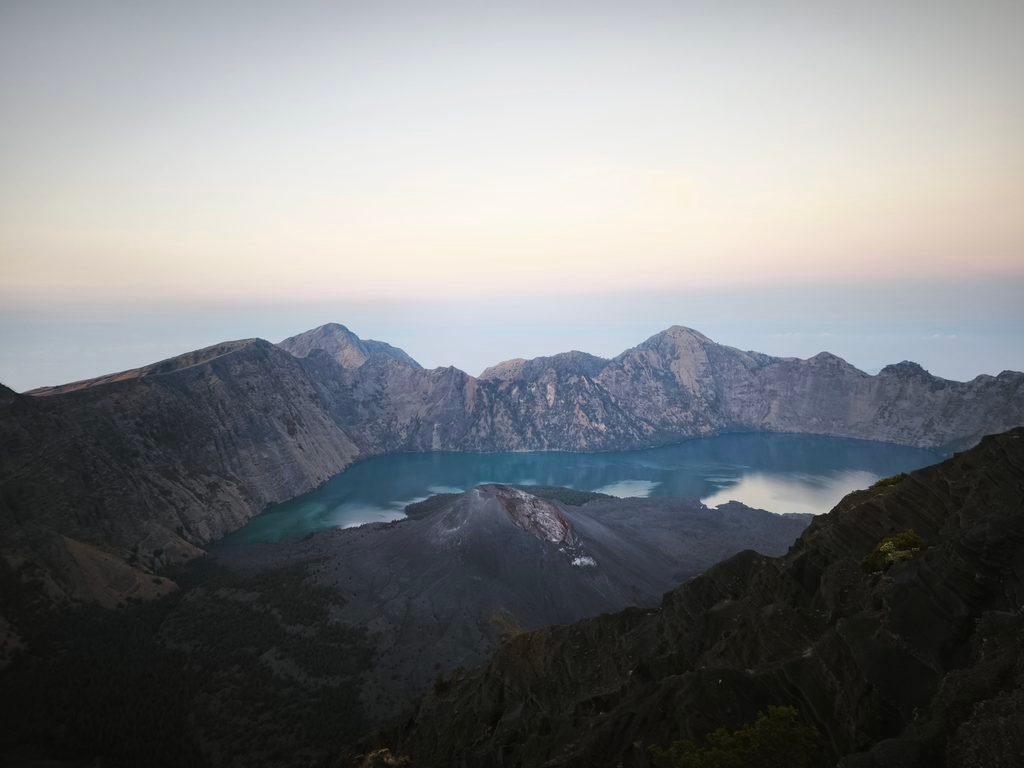
Mount Rinjani features steep volcanic ascents, loose gravel (scree), and long descents that will test your leg muscles, core, and cardiovascular endurance.
- Cardio Endurance (4–6 Weeks Prior): Start running, cycling, or swimming at least 3 times a week to build your lung capacity and stamina.
- Leg Strength Training: Focus on lunges, squats, and step-ups. Since descending from the crater rim to Segara Anak Lake or down to Senaru Village puts immense pressure on your knees, strengthening your quadriceps and calves is crucial.
- Stair Climbing with a Weighted Backpack: Mimic real hiking conditions by walking up and down stairs while wearing a small backpack filled with 5–8 kg of weight.
2. Understanding Altitude Sickness (Acrophobia & AMS)
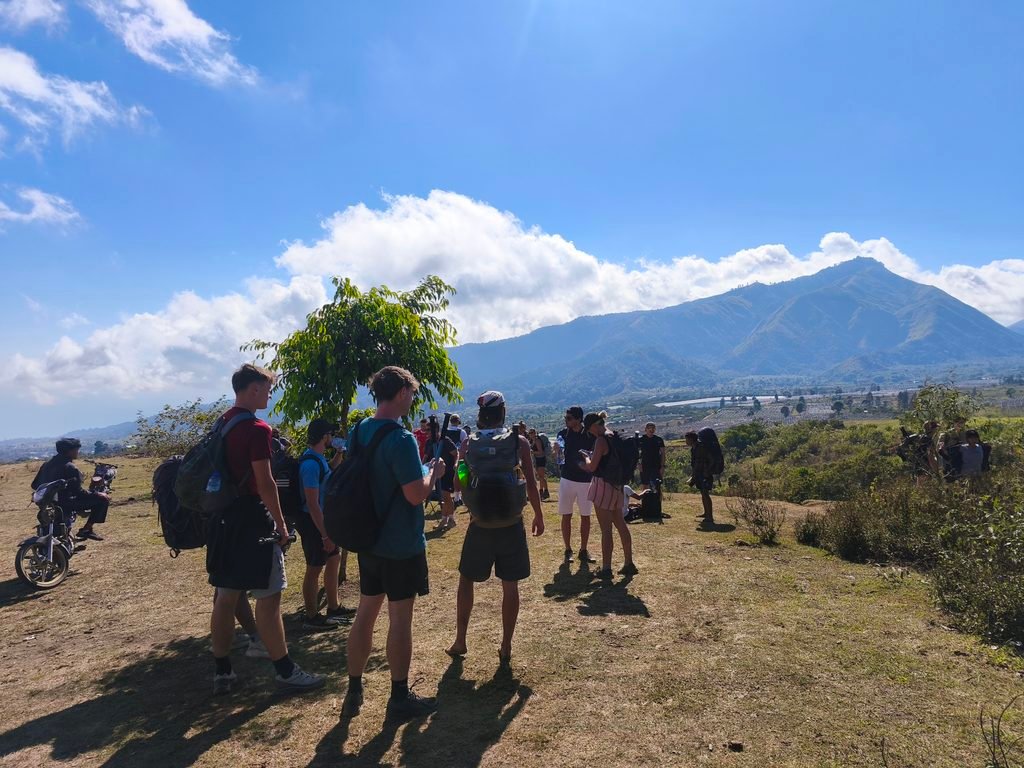
At 3,726 meters above sea level, atmospheric pressure is lower, and oxygen levels decrease. Acute Mountain Sickness (AMS) can affect anyone, regardless of fitness level.
- Common Symptoms: Mild headaches, dizziness, fatigue, nausea, and shortness of breath.
- How to Prevent It:
- Stay Hydrated: Drink plenty of water before and during your trek. Dehydration mimics and worsens altitude sickness symptoms.
- Pace Yourself (“Pole, Pole”): Listen to your guide. Walk at a steady, slow rhythm rather than rushing to the camp.
- Proper Acclimatization: Choosing multi-day packages like the 3D2N Sembalun-Senaru or 4D3N hikes allows your body natural time to adjust to changing elevations compared to rushing a 2D1N express itinerary.
3. Seamless Logistics: Where to Store Your Luggage Before Trekking
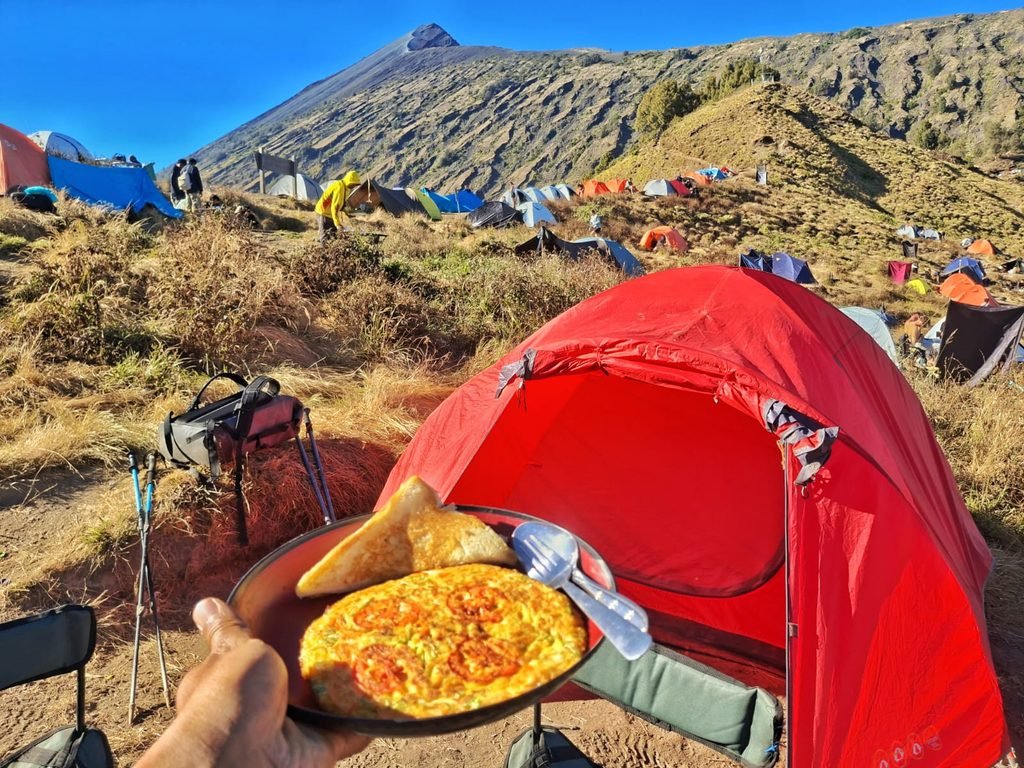
One of the most common logistical worries for travelers is what to do with extra suitcases, heavy travel bags, or city clothes while tackling the mountain.
- You do not need to carry your entire holiday wardrobe up the slopes of Rinjani.
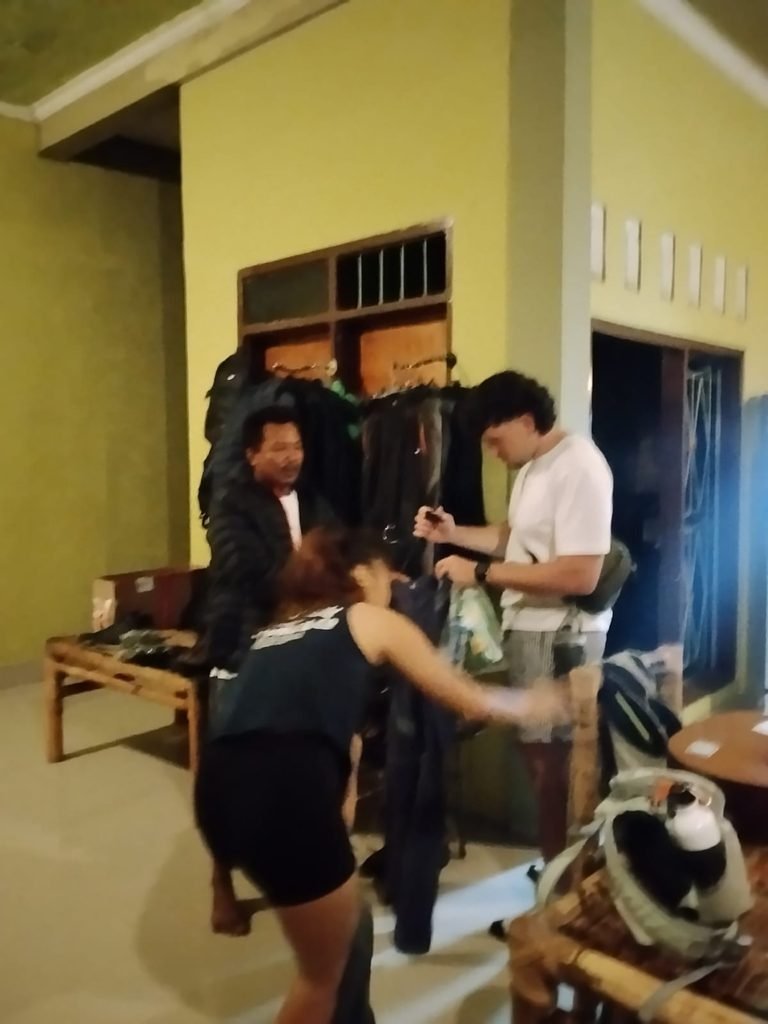
- Always choose a professional local operator that provides secure luggage storage facilities at their base office in Senaru or Sembalun. This allows you to leave your non-trekking bags safely behind while you enjoy the mountain.
4. Mental Readiness and Final Checklist
Beyond physical fitness, a positive mindset is your best companion on the trail. Weather conditions on Rinjani can change quickly, from scorching sun on the Sembalun savannah to chilly winds at the crater rims.
- Trust your certified local guide and porters—they know the terrain and safety protocols inside out.
- Double-check your packing list (thermal layers, headlamps, trekking poles, and sun protection) the night before departure.
Ready for Your Rinjani Adventure?
Proper preparation turns a difficult hike into an unforgettable life experience. If you are planning your upcoming trek, make sure your logistics, permits, and guides are fully secured with an experienced local team.
Contact us via WhatsApp on our website today to plan your customized Mount Rinjani trekking package and secure your adventure!
RINJANI GATE TREKKING
Welcome to Rinjani Gate Trekking. I’m here to help you customize your trekking package or check Mount Rinjani slot availability.
The Mountain is Calling. Are You Ready to Open the Gate?
National Park quotas are strictly limited to preserve the ecosystem. Don’t miss your chance to stand on the roof of Lombok. Book your professional Rinjani trekking package today.